
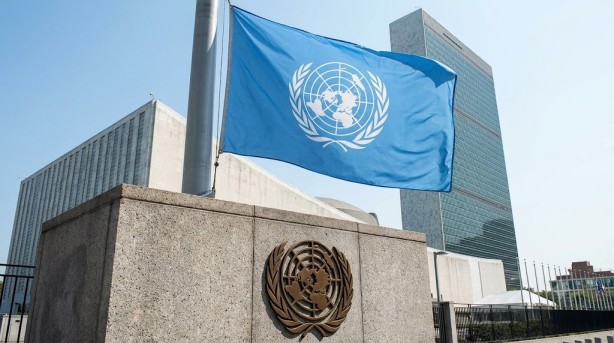
A United Nations scientific panel has raised concerns that the rapid advancement of artificial intelligence (AI) is outpacing global regulatory measures, leaving the Global South particularly vulnerable and marginalized in terms of development and governance. Despite AI’s significant impact on these regions, they remain largely excluded from decision-making processes. This was highlighted in the first global assessment report by the Independent International Scientific Panel on AI, which was formed by the UN General Assembly. The report was released in anticipation of the Global Dialogue on AI Governance set to occur in Geneva.
The panel’s assessment reveals a troubling disparity: while AI capabilities are expanding at an unprecedented rate, the scientific understanding, regulatory frameworks, and oversight mechanisms necessary to manage these advancements are lagging behind. It points out that AI development is concentrated in a few countries and technology companies, with the United States and China leading the way. This concentration of power means that many developing nations have minimal influence over AI governance and policy, raising concerns about equity and representation in this critical field.
UN Secretary-General Antonio Guterres has called for urgent action from governments worldwide to establish common rules for AI. He warns that any delays could diminish public and governmental control over the technology, potentially exacerbating existing issues. The report underscores the growing risks associated with AI, including threats to security, human rights, democracy, and economic inequality, and stresses the need for enhanced international cooperation to guide the future trajectory of AI responsibly.
The report also notes that the private sector, particularly a few dominant companies, is currently responsible for producing the most advanced AI models. This situation not only limits the diversity of perspectives in AI development but also consolidates power among a small group of players, potentially skewing priorities and outcomes in favor of those already in positions of influence. This dynamic presents a significant challenge for global governance, particularly for nations in the Global South that are disproportionately affected but underrepresented in the AI landscape.
Overall, the UN panel’s findings call for a concerted global effort to address these disparities and ensure that AI development is inclusive, equitable, and aligned with global human rights standards. The emphasis on international dialogue and cooperation is crucial for navigating the complex challenges posed by AI and ensuring that its benefits are broadly shared across all regions.