
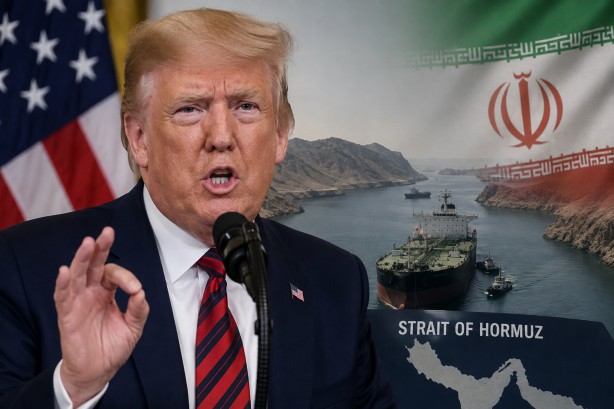
Iran has issued a stark warning to Gulf states, signaling that any future military strikes by the United States on its soil would provoke retaliation against critical energy infrastructure throughout the Gulf region. This message was conveyed by Iranian Foreign Minister Abbas Araqchi during discussions with senior officials from Saudi Arabia, Qatar, Turkey, and Pakistan. Iran’s diplomatic outreach aims to rally regional allies to dissuade the U.S. from pursuing further military actions.
In light of U.S. President Donald Trump’s recent threats to target Iran’s energy infrastructure, the Iranian government has made clear that while it continues to favor diplomatic solutions, it is fully prepared to respond if attacked. Araqchi underscored that any aggression against Iranian territory would prompt strikes on U.S. assets and vital energy facilities spread across the Gulf, raising the stakes in an already tense geopolitical climate.
Saudi Arabia has reportedly advised the U.S. to focus on diplomatic negotiations to de-escalate tensions, emphasizing its readiness to defend against any attacks on its domain. This aligns with the broader regional concern that further hostilities could severely disrupt Gulf energy supplies and exacerbate regional instability.
The potential Iranian retaliation strategy includes targeting a range of infrastructure, such as oil facilities, refineries, power grids, water systems, transport networks, and oil fields, should another American strike occur. This possibility underscores the increasing anxiety about how renewed conflict might imperil global energy markets and regional peace.
Amid these developments, regional leaders continue to advocate for diplomacy, hoping to avert a broader conflict that could have far-reaching consequences for global energy security. The emphasis remains on averting escalation through dialogue, even as the situation remains precarious.