
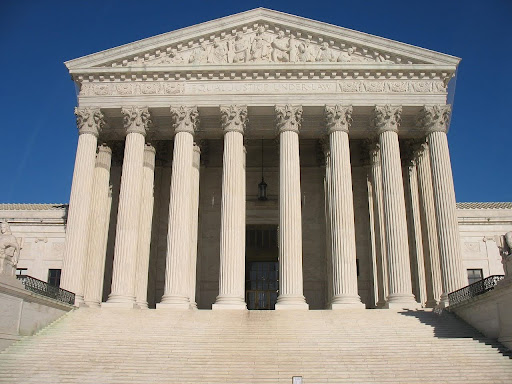
Immigration rights advocates and Democratic state attorneys general suffered a significant setback as the Supreme Court limited federal courts’ ability to block Trump’s birthright citizenship order through comprehensive injunctions. The 6-3 decision creates new challenges for protecting immigrant families’ rights.
The ruling affects legal strategies available to challenge potentially unconstitutional immigration policies, making it more difficult to obtain immediate, nationwide protection for affected communities. This change could particularly impact vulnerable populations who rely on rapid judicial intervention.
Trump’s citizenship directive would deny recognition to children born in America unless they have at least one parent who is a U.S. citizen or permanent resident, affecting over 150,000 newborns annually. Advocacy groups argue this policy violates the 14th Amendment’s guarantee of birthright citizenship.
The court’s focus on limiting judicial authority rather than addressing constitutional merits leaves fundamental questions unresolved while potentially enabling policy implementation. Immigration advocates must now develop new legal strategies to protect constitutional rights under more restrictive judicial parameters.