
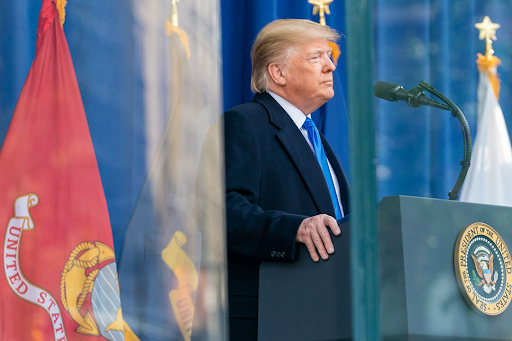
President Trump dispatched senior diplomatic envoys to Russia and Ukraine while establishing a clear finalization requirement for leader meetings. Trump stated that he would engage Putin and Zelensky through direct summit meetings only when peace negotiations reach final or near-final agreement stages.
Special Envoy Steve Witkoff’s assignment to conduct Moscow talks with President Putin and Army Secretary Dan Driscoll’s engagement with Ukrainian officials reflect the administration’s coordinated approach. White House sources indicate that both envoys carry instructions aimed at addressing remaining obstacles in the peace framework.
Trump’s public characterization of recent progress emphasizes what he described as substantial advancement through intensive negotiations. The president claimed that what began as a 28-point proposal has been refined through bilateral consultations, with only a few disagreement points remaining between the conflicting parties.
The original American peace plan triggered intense opposition from Ukrainian and European officials who objected to provisions they viewed as excessively favorable to Russian interests. Subsequent negotiating rounds have produced revisions that administration officials maintain address significant concerns raised by Kyiv and its European allies.
Ukrainian President Zelensky maintained careful public positioning on the negotiations, expressing gratitude for American diplomatic efforts while strategically avoiding confirmation of specific agreements. Ukrainian officials have emphasized that resolving territorial questions at the heart of any settlement requires direct presidential-level engagement rather than delegation to lower-level negotiators.
Trump Dispatches Envoys While Establishing Finalization Requirement for Leader Meetings
27