
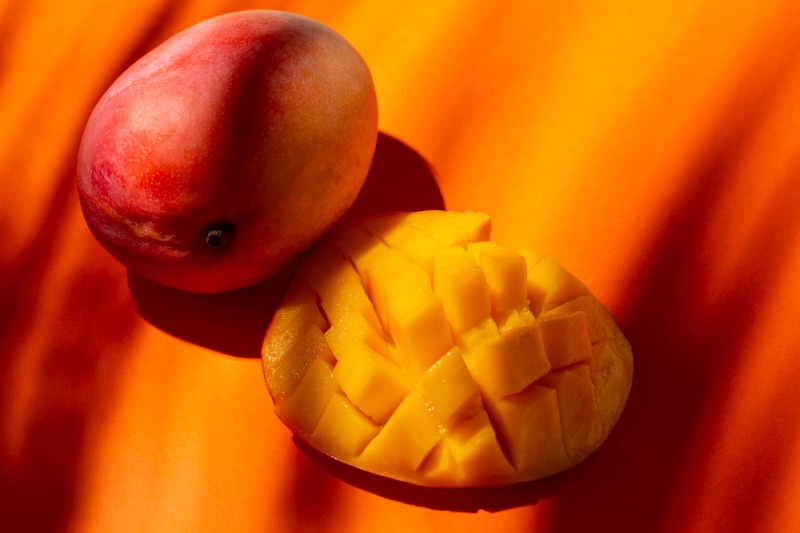
South Korea has decided to prolong its preferential tariff program for fruit imports from Taiwan, maintaining reduced duties on bananas, pineapples, and mangoes until August 15. Originally put in place to help stabilize food prices, the measure significantly cuts import tariffs on these fruits from 30% to 5%. This extension was initially set to conclude by the end of June but will now continue to support Taiwan’s peak mango export season.
The decision aligns with Taiwan’s mango harvest period and precedes the full supply levels of domestic mango production in South Korea. According to Taiwan’s Ministry of Agriculture, this extension will not only bolster fruit exports but also cater to growing consumer demand in the South Korean market. The ministry is committed to enhancing the international sales of Taiwanese mangoes through various quality improvement initiatives, promotional efforts, and collaborations with global retailers.
Officials emphasize that the timing of this extended tariff relief is crucial for Taiwanese exporters aiming to capitalize on the mango season. Taiwan’s mango exports have experienced a strong performance this year, with South Korea remaining a significant market for these exports. The alignment of the tariff program with Taiwan’s harvest season is seen as a strategic move to maximize export opportunities.
In addition to the tariff measures, Taiwan’s Ministry of Agriculture is actively engaging in programs to improve the quality of its mangoes, ensuring they meet international standards and appeal to a broader consumer base. Promotional campaigns are also being rolled out to raise awareness and boost the appeal of Taiwanese fruits in foreign markets, with an emphasis on maintaining South Korea as a key destination.
Overall, the extension of South Korea’s tariff program reflects both countries’ interest in sustaining a robust trade relationship, particularly in the agricultural sector. By alleviating import costs, South Korea aims to provide its consumers with affordable access to high-quality Taiwanese fruits, while Taiwan seeks to expand its export reach and strengthen its position in the competitive global market.